A day on the water can quickly become costly when something goes wrong, and you have no coverage to fall back on. Accidents, collisions, theft and storm damage all carry financial consequences that can stretch far beyond what most boat and personal watercraft owners anticipate. Before you head out this season, it pays to understand how watercraft and boat insurance works and what gaps in your coverage could cost you.
Why Is Watercraft and Boat Insurance Essential? 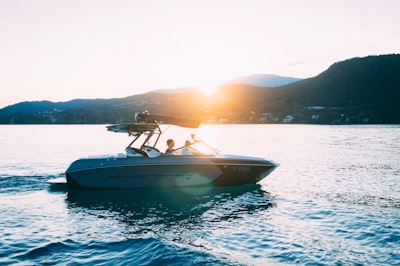
Going out on the water without coverage exposes you to substantial out-of-pocket expenses. If your boat collides with another vessel, you may be responsible for repairs to both watercraft, medical bills for injured parties and legal fees if a lawsuit follows. Theft, vandalism and severe weather are also common risks, and many standard homeowners policies offer limited or no coverage once a watercraft leaves your driveway. A dedicated watercraft and boat policy can address those exposures directly.
What Should You Review in Your Policy Before Getting Out on the Water?
Coverage details matter, and a quick policy review before the season starts can prevent surprises later. Look closely at:
- Liability limits—Verify your coverage is sufficient to satisfy applicable requirements, such as those mandated by marinas.
- Physical damage coverage—Confirm your boat or watercraft is covered for collisions and other relevant perils.
- Uninsured watercraft coverage—Not every boater on the water carries insurance.
- Personal property—Fishing equipment, electronics and safety gear may require separate coverage or endorsements.
- Agreed value vs. actual cash value—Understand how much your insurer may pay for a claim following a total loss.
Jet Skis and personal watercraft often require separate coverage, so confirm how your current policy handles them and adapt accordingly.
Speak to a Licensed Agent Near You
Contact Dixon Blackwood Insurance, Inc. before your next day on the water. Our agency serves Sumter and Summerton, SC and can help you build a solid watercraft and boat policy.
This blog is intended for informational and educational use only. It is not exhaustive and should not be construed as legal advice. Please contact your insurance professional for further information.